
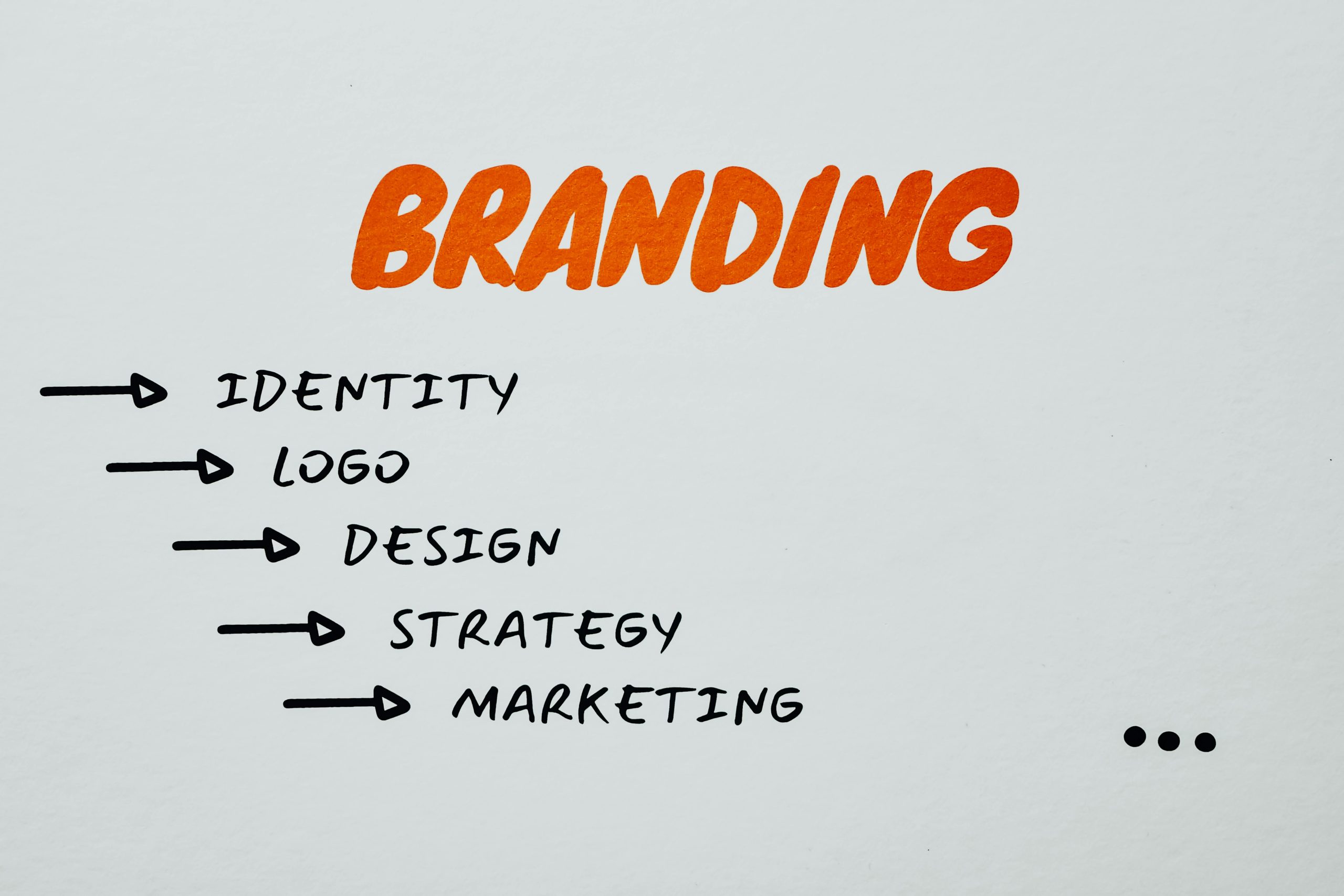
In the competition of branding versus marketing, who wins? Branding is important to build customer perceptions. A customer perception is what people think about that specific business or its products or services. While marketing focuses on improving the visibility, generating interest, and driving sales.
The branding and marketing comparison is significant yet confusing at times. Branding and marketing are two different sides of a coin. If one side vanishes, the coin would lose its value. Branding gives a business, organization, or association its identity. You might be thinking about the role of branding in marketing. Many argue that marketing is a part of branding, while some say marketing is the umbrella, and branding is its part. Let’s deep dive to understand this:
Difference between Branding and Marketing
Branding and marketing both require mindful strategy. Branding aims at building long-term loyalty, while marketing focuses on driving instant sales.
The branding revolves around crafting stories with certain specific emotions. If we compare marketing v/s brand building, then one must know brands can’t be built overnight. It requires time and consistency. On the other hand, marketing focuses on generating curiosity and excitement. Short-term promotion is a part of marketing strategy. It involves waiting for the events to announce special offers, including BOGO, discounts, complimentary gifts, and other schemes planned to lure the customers.
Marketing is Creating Happiness

The best marketing strategy is creating happiness; if the customer gets happy on buying that specific product or service, it means that marketing strategy has been successful. Marketing is meant to convince the client to invest in a product or service, with a promise that it will bring good value or results compared to the solutions available in the market under that specific price value.
In simpler terms, marketing is persuading a person to make a purchase, and in return they will experience the happiness of getting that specific product or service at the most compatible price. When they actually get happy on purchasing the product or service, then the marketing strategy is considered successful.
Also read: Content Marketing Strategy Guide 2026
Brand Strategy, Storytelling and Emotions
A brand follows a tone and works on building a specific type of emotion and values around it. For example, the Fevicol advertisement talks about building strong bonds that last longer or forever. On the other hand, Maggie (instant noodles) focuses on generating an emotion of affection between relations. In most of its advertisements, it showed celebrating small moments, sharing even when it is less, and reflected the love between mother and children. It is how brands play with storytelling and emotions through content strategy.
There are several brands that focus on creating the narrative of superiority to drive sales. One such example is Rajnigandha, a tobacco product sold in India. Rajnigandha, a tobacco brand, tried to build a narrative with the tagline ‘ muh mein Rajnigandha aur Kadmo mein Duniya’ meaning if you eat Rajnigandha tobacco, then the world would come under your feet. They tried to elevate the market positioning with such a message that consuming Rajnigandha would make them superior in society or part of the upper class.
Cultural Influence on Brand Strategy

Branding requires being aware of the environmental and social factors, cultural and political conflicts, and geology. If you want to know how marketing v/s brand building functions and what’s the difference, then here is a great example of McD.
In India, McD sells the McAloo Tikki burger. The potato patty inside the burger is considered an aloo tikki. It is one of the favourite snacks in India, aloo tikki. Localisation of the menu helped McDonald’s to propel itself in the country and get accepted.
Similarly, McD offers pork patties and shrimp burgers in Japan. It should be noted that India is a country of vegetarians, so they launched McAloo Tikki. Meanwhile, people of Japan highly prefer seafood, so they came up with shrimp burgers. Here, we understood how important it is to understand the cultural sentiments of a region and blend offerings with it to get successful. That’s how a brand strategy works.
At Half Potato, we offer our clients digital brand management service that helps them elevate market positioning with carefully crafted content strategy and seo for brands. If a traditional business wants to brandize itself on the internet. Then we offer support in creating a brand identity that resonates with the brand goals. We are here to help. Our solutions include logos, domain hosting, web designing, content marketing, social media management, and others. We offer free consultation. Shoot mail at deepika.gupta@halfpotato.com and reach out to us.